Consistent Cosmetics, Better Team Flow
When a team changes roles in an online game, cosmetic customization can seem like the least important topic in the room. Yet appearance choices often shape how quickly players recognise…
When a team changes roles in an online game, cosmetic customization can seem like the least important topic in the room. Yet appearance choices often shape how quickly players recognise each other, how comfortably they settle into new duties, and how clearly they remember a shared plan. A support player who moves into frontline duty may want a visible set that feels different enough to signal the shift, while still matching the group’s style. The goal is not fashion for its own sake. It is to make role changes easier to notice, easier to remember, and less likely to feel like a confusing break in rhythm.
role identity. Do players rely on voice callouts, loadout names, or pure memory? Are certain characters easy to spot because of their silhouettes, or do they blur together during busy fights? Consistency matters because it reduces the number of details the brain must solve under pressure. If everyone keeps a similar visual language from session to session, 32win teammates can focus more on positioning, timing, and objective control. Cosmetic choices become part of the team’s routine, not an extra puzzle placed on top of the game itself. There is value in that quiet familiarity. The effect is subtle, but subtle advantages often matter most when a group is still learning how to share responsibility without.
The simplest way to test that idea is to treat cosmetics as a small learning experiment. Pick one team-wide change, such as a matching colour theme, one readable emblem, or a restrained set of skins that makes each role obvious at a glance. Then play several sessions with the same setup and compare them with sessions where everyone uses whatever they like. Pay attention to small things: who asks fewer questions, who recognises teammates faster, and whether role swaps feel smoother after a wipe or between rounds. The point is not to prove a universal truth, but to see which visual habits help your specific group stay organised.
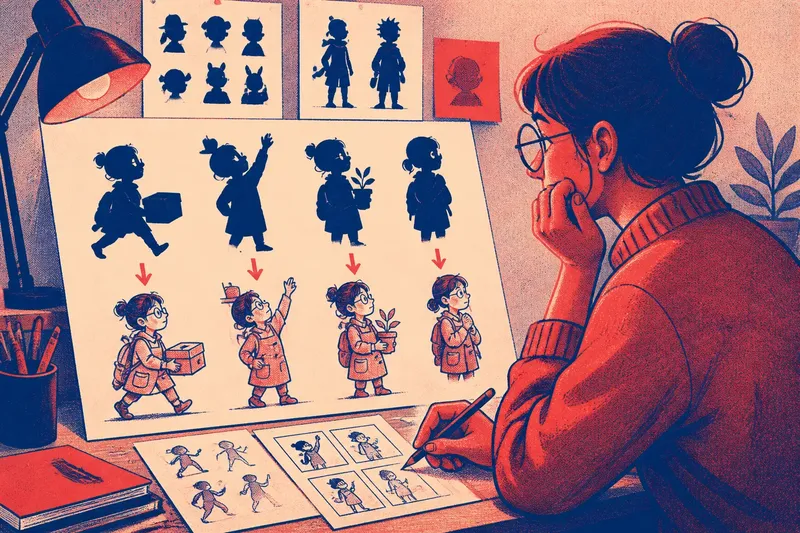
A useful experiment needs a clear baseline. Before changing anything, note how your team currently communicates role identity. Do players rely on voice callouts, loadout names, or pure memory? Are certain characters easy to spot because of their silhouettes, or do they blur together during busy fights? Consistency matters because it reduces the number of details the brain must solve under pressure. If everyone keeps a similar visual language from session to session, teammates can focus more on positioning, timing, and objective control. Cosmetic choices become part of the team’s routine, not an extra puzzle placed on top of the game itself. There is value in that quiet familiarity.
a strong sign, even if kill counts or match times stay flat. If the team only likes the look but still misreads each other, then the change may be decorative rather than functional. That does not make it useless; it simply means the visual system should not be treated as a strategy fix by itself. The game 32 win still asks for practice, communication, and context. When the team finally settles into its new roles, revisit the cosmetic setup only if it continues to support that stability. If the roster changes again, or if the group starts chasing a faster, more competitive style, the old visual habits may need to be simplified instead of polished.
The best results usually come from narrow changes rather than dramatic overhauls. Try standardising one element at a time, such as a shared accent colour, a consistent mount or vehicle style, or a cosmetic rule for each role. If the team is small, even matching borders, banners, or accessories can help establish identity without making everyone look identical. This is especially useful when the group is still learning a new role split, because visible consistency gives people an easy anchor. They can say, in effect, “that look means healer” or “that trim means the new caller,” which lowers confusion when fights become messy and attention is divided.
After a few sessions, the question is not whether the cosmetics looked better, but whether the team behaved better. Maybe the new setup made role changes feel natural, and players adjusted faster after mistakes because the visual signals matched the assignment. Maybe nothing changed except everyone enjoyed the style more, which is still a valid outcome if morale was the real problem. On the other hand, if players became distracted by fashion debates, lost time on setup, or confused identity with preference, then the experiment did not support more cosmetic standardisation. In that case, the team should reconsider whether clarity or personal expression matters more for the current phase of play.
One way to interpret the outcome is to separate comfort from performance. A cosmetic theme can improve confidence without improving coordination, and it can improve coordination without feeling exciting. Both effects matter, but they should not be confused. If the team reports that the new look helps them stay calm during role swaps, that is a strong sign, even if kill counts or match times stay flat. If the team only likes the look but still misreads each other, then the change may be decorative rather than functional. That does not make it useless; it simply means the visual system should not be treated as a strategy fix by itself. The game still asks for,practice,communication,context,